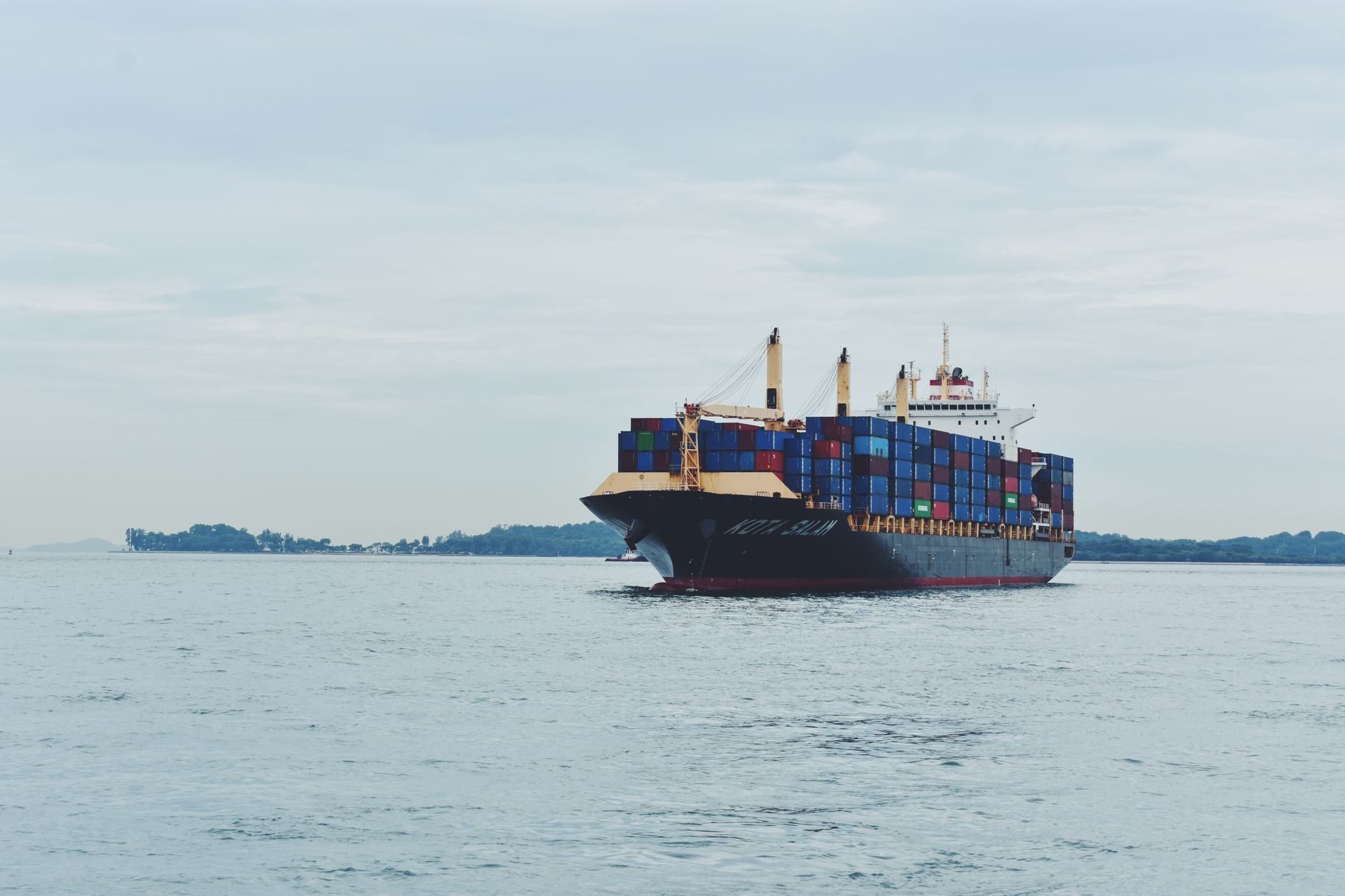
Ocean freight rates have been rising, impacting regional rice exports significantly. This increase poses challenges for exporters and could affect prices in the market.
Understanding Ocean Freight Rates
Ocean freight rates have seen a significant increase in recent months, severely affecting global trade dynamics. These rates represent the costs associated with transporting goods via sea, which can fluctuate based on various factors.
Understanding the elements that influence ocean freight rates is crucial for stakeholders in the agricultural sector, particularly those involved in rice exports. Key factors include:
- Supply Chain Disruptions: Issues such as port congestion and container shortages can drive up costs.
- Fuel Prices: Rising fuel costs directly impact shipping expenses, further straining exporters.
- Global Demand: Increased demand for shipping services can lead to higher rates, especially during peak seasons.
Thus, the surge in ocean freight rates poses a significant challenge for rice exporters, affecting their competitiveness in the international market.
Impact on Regional Rice Exports
The surge in ocean freight rates has created significant challenges for regional rice exporters. As transportation costs rise, the profitability of exporting rice diminishes, leading to several adverse effects on the industry.
- Increased Costs: Exporters face rising shipping expenses, which may be passed on to consumers, affecting demand.
- Competitive Disadvantage: Regional exporters struggle to compete with countries that have lower freight costs, risking their market share.
- Supply Chain Disruptions: Unpredictable shipping rates can lead to delays, disrupting the timely delivery of rice to international markets.
- Economic Impact: The ripple effect on local economies could be severe, impacting farmers and laborers reliant on rice exports.
In this environment, it is crucial for stakeholders to navigate the complexities of rising ocean freight rates to sustain their rice export businesses.
Factors Driving Freight Rate Increases
The recent surge in ocean freight rates has significantly affected the agricultural sector, particularly rice exports. Several factors contribute to the rising costs of shipping, leading to increased financial pressure on exporters.
- Global Demand: The post-pandemic recovery has led to heightened demand for goods, straining shipping capacity.
- Fuel Prices: Escalating fuel costs directly impact freight rates, as shipping companies pass these expenses onto their customers.
- Port Congestion: Ongoing congestion at major ports delays shipments, resulting in increased costs for exporters.
- Supply Chain Disruptions: Continued disruptions in global supply chains exacerbate challenges for shipping logistics.
As ocean freight rates continue to rise, exporters of rice and other commodities face difficult decisions about pricing and market access.
Challenges Faced by Exporters
Exporters are grappling with numerous challenges as ocean freight rates continue to rise. The increasing costs have made it difficult for rice exporters to maintain competitive pricing in the global market. Key issues include:
- High Transportation Costs: The surge in freight rates has significantly inflated shipping expenses, squeezing profit margins for exporters.
- Supply Chain Disruptions: Delays in shipping schedules and port congestion are common, further complicating the timely delivery of products.
- Market Volatility: Fluctuating ocean freight rates create uncertainty, making it hard for exporters to plan and budget effectively.
- Decreased Demand: Higher costs often lead to reduced demand from importing countries, impacting overall sales.
As a result, the challenges faced by exporters continue to mount, threatening the viability of regional rice exports in an increasingly competitive environment.
Market Reactions to Rising Costs
As ocean freight rates continue to soar, the market has reacted with concern over the future of rice exports. Exporters are feeling the strain as shipping costs escalate, leading to increased prices for consumers. Market analysts note that the rising costs are causing significant disruptions, particularly in regions heavily reliant on rice exports.
The following are key market reactions observed:
- Increased Prices: Rice prices have surged, impacting both local and international markets.
- Supply Chain Adjustments: Exporters are looking for alternative shipping routes to mitigate costs.
- Investment in Technology: Many are investing in logistics technology to better manage shipping expenses.
Overall, the implications of rising ocean freight rates are being felt across the industry, prompting urgent calls for solutions to stabilize the market.
Future Predictions for Freight Rates
Looking ahead, predictions for ocean freight rates indicate continued volatility in the coming months. Experts suggest that several factors will contribute to this uncertainty, including:
- Global demand: As economies recover post-pandemic, demand for shipping is expected to rise.
- Fuel prices: Fluctuations in oil prices could significantly impact freight costs.
- Geopolitical tensions: Ongoing conflicts may disrupt shipping routes, affecting freight rates.
- Regulatory changes: New environmental regulations could lead to increased shipping costs.
As a result, exporters may face rising ocean freight rates, which could further strain their operations and affect market competitiveness. This ongoing trend necessitates strategic planning for stakeholders in the rice export sector to mitigate potential losses.
Strategies to Mitigate Impact
To address the challenges posed by rising ocean freight rates, exporters can adopt several strategies to mitigate their impact on rice exports. These include:
- Improved Supply Chain Management: Streamlining logistics and enhancing coordination with suppliers can lead to reduced costs and increased efficiency.
- Negotiating Contracts: Exporters should consider long-term contracts with shipping companies to lock in more favorable rates.
- Diversifying Shipping Routes: Exploring alternative shipping routes may lead to lower freight costs and reduce reliance on congested ports.
- Collaborative Shipping: Forming alliances with other exporters can help share shipping costs and optimize container space.
- Investing in Technology: Utilizing digital tools for tracking and managing shipments can improve decision-making and reduce delays.
By implementing these strategies, exporters can better navigate the fluctuations in ocean freight rates and sustain their rice export activities.
Photo by William Liu on Pexels
Where this came from
Elon Musk Congratulations Message: A Clear Sign of Support · IT stocks news: Best proven triggers for growth · Fidelity National earnings estimates: Proven strategies for success