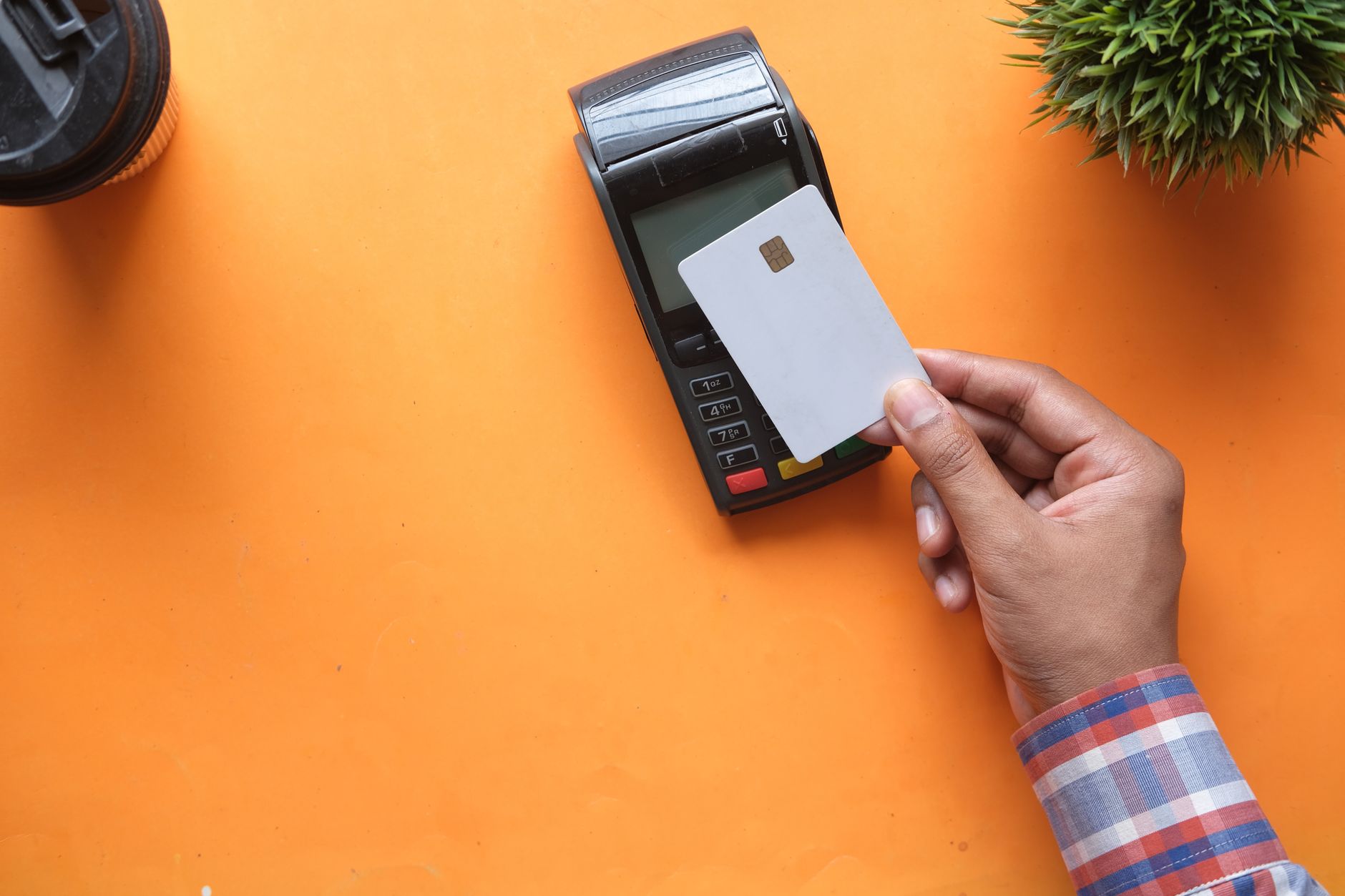
merchant UPI payments have seen a significant shift with the government’s introduction of a 0.4% MDR. This new policy has led to a rally in shares of major banks including Paytm, SBI, YES, and ICICI Bank.
Understanding the New MDR on UPI Payments
The recent introduction of the 0.4% Merchant Discount Rate (MDR) on UPI payments has sparked significant interest in the banking sector. As government policies evolve to regulate digital transactions, stakeholders are keen to understand the implications of this new MDR on merchant UPI payments.
Under the new guidelines, merchants will be required to pay a fee of 0.4% on transactions conducted via UPI. This move is aimed at enhancing the sustainability of UPI transactions and incentivizing banks to provide better services. Here are some key points regarding the MDR:
- Enhancement of Services: The MDR is expected to encourage banks to develop more robust UPI infrastructure and services.
- Impact on Merchants: While the fee may initially seem burdensome, it could lead to improved transaction security and efficiency.
- Market Reaction: Following the announcement, shares of major banks like Paytm, SBI, YES, and ICICI surged, indicating investor confidence in the long-term benefits.
Overall, the introduction of MDR on merchant UPI payments reflects a strategic shift in the digital payment landscape, aiming for a balance between merchant costs and banking profitability.
Impact of MDR on Merchant Transactions
The introduction of a 0.4% Merchant Discount Rate (MDR) on merchant UPI payments has brought significant changes to the landscape of digital transactions in India. This new policy aims to enhance the financial viability of UPI transactions for merchants, encouraging them to adopt digital payment solutions more readily.
With the government’s decision, merchants are now expected to pay a small fee on transactions processed through UPI, which, while nominal, could lead to broader implications for the market. The potential benefits of this change include:
- Increased Revenue for Banks: The MDR on merchant UPI payments is projected to provide banks with a new stream of income, potentially boosting their profitability.
- Greater Adoption of Digital Payments: By creating a sustainable model for merchants, this could lead to increased acceptance of UPI payments across various sectors.
- Encouragement for Innovation: Financial institutions may be motivated to develop new services and technologies that further streamline UPI transactions.
As the market adjusts to the new MDR framework, it will be essential to monitor its impact on both merchants and consumers to gauge its long-term effectiveness.
Bank Shares Surge After UPI Changes
In recent days, bank shares have experienced a significant surge, primarily influenced by the government’s introduction of a 0.4% Merchant Discount Rate (MDR) on merchant UPI payments. This change has created a wave of optimism among investors, leading to a rally in the stock prices of major banking institutions.
Analysts believe that the new MDR policy will enhance the revenue streams for banks involved in processing UPI transactions. As a result, key players in the banking sector, including Paytm, SBI, YES Bank, and ICICI Bank, have witnessed notable increases in their share prices. The adjustment in MDR not only provides a competitive edge but also positions banks to capitalize on the growing digital payment ecosystem.
Furthermore, the rise in bank shares is indicative of a broader confidence in the financial sector’s ability to adapt to evolving market dynamics. Investors are keenly watching how these changes will impact overall profitability and customer engagement in the UPI landscape. As merchant UPI payments continue to gain traction, banks are likely to benefit from increased transaction volumes, further solidifying their positions in the market.
What This Means for Consumers
The recent changes to merchant UPI payments have significant implications for consumers. As banks like Paytm, SBI, YES, and ICICI Bank see their shares rally, it reflects a broader confidence in the UPI ecosystem, which is now more structured with the new Merchant Discount Rate (MDR) of 0.4% on transactions.
This shift is expected to enhance the overall payment experience for users. With the introduction of the MDR, merchants may now be incentivized to adopt UPI payments more widely, leading to improved service offerings and potentially lower prices as competition increases.
Moreover, the stability and growth of banks tied to these payments can lead to better innovations in financial technology, further benefiting consumers. Enhanced security measures, faster transaction speeds, and more user-friendly interfaces are some potential enhancements that may arise from this new structure.
- Increased Merchant Participation: More merchants may accept UPI payments, giving consumers more options.
- Better Financial Products: Banks may introduce new products tailored for UPI users.
- Lower Costs: Competition among merchants could lead to reduced transaction costs for consumers.
Overall, the changes in merchant UPI payments are poised to benefit consumers in multiple ways.
Future of UPI Payments in India
The future of merchant UPI payments in India looks promising as financial technology continues to evolve. With the introduction of a 0.4% Merchant Discount Rate (MDR) on UPI transactions, businesses are expected to adopt digital payment solutions at an accelerated pace. This move not only benefits merchants but also enhances the overall payment ecosystem.
As more consumers embrace cashless transactions, several trends are emerging:
- Increased Adoption: Small and medium enterprises are likely to integrate UPI payments into their systems, making it easier for customers to make purchases.
- Enhanced Security: With advancements in technology, UPI systems are becoming increasingly secure, instilling confidence among users.
- Broader Reach: Rural and semi-urban areas are expected to see a rise in UPI adoption, bridging the gap between urban and rural financial services.
- Innovative Offerings: Financial institutions may introduce new products and services tailored to meet the needs of merchants using UPI.
As the market adapts to these changes, the landscape of digital payments in India is set to transform significantly.
Expert Opinions on the Policy Change
Experts in the financial sector have expressed mixed reactions to the recent policy change regarding merchant UPI payments. While some analysts view the introduction of a 0.4% MDR as a necessary step to enhance the sustainability of the digital payment ecosystem, others caution against potential drawbacks for smaller merchants.
Rajesh Kumar, a well-known financial analyst, stated, “The new MDR on merchant UPI payments is a game changer. It not only provides banks with a revenue stream but also incentivizes them to improve their digital infrastructure.” He believes that this move will ultimately benefit the economy by promoting digital transactions.
On the other hand, Priya Singh, a small business owner and advocate for local merchants, expressed concerns over the increased costs. “While I understand the need for banks to earn from these transactions, smaller merchants may struggle to absorb even a minimal fee,” she said.
Additionally, Dr. Anil Mehta, an economist, pointed out that the impact on consumer behavior remains to be seen. “If consumers start facing higher costs, they may hesitate to use UPI for small transactions, which could undermine the growth we’ve seen in recent years,” he warned.
Comparative Analysis of Bank Performances
The recent introduction of the 0.4% MDR on merchant UPI payments has sparked a noteworthy rally in the shares of several key banks, demonstrating divergent performances across the sector. A comparative analysis reveals significant trends.
- Paytm: As a leading player in the digital payments landscape, Paytm has seen its shares increase sharply following the announcement. The company’s strong integration of UPI transactions has positioned it favorably in the market.
- SBI: State Bank of India, as a major financial institution, has also benefited from the policy change. Analysts project continued growth as the adoption of UPI payments rises among merchants.
- YES Bank: YES Bank’s shares have rallied as investors react positively to its strategic initiatives in the UPI space, indicating a robust growth trajectory.
- ICICI Bank: ICICI Bank’s robust performance can be attributed to its innovative offerings in the merchant segment, enhancing its appeal to a broader customer base.
Overall, the comparative performance of these banks illustrates a promising shift in the financial landscape, driven by the evolving dynamics of merchant UPI payments.
Market Reactions to Financial Policies
In response to the recent introduction of a 0.4% Merchant Discount Rate (MDR) on UPI payments, financial markets have shown a notable surge in bank shares. Investors reacted positively, anticipating that these new policies will enhance revenue streams for banks involved in processing UPI transactions. The immediate impact was evident in the share prices of major financial institutions such as Paytm, SBI, YES Bank, and ICICI Bank, all of which experienced significant gains.
Market analysts have pointed out that the increased profitability from merchant UPI payments could lead to improved overall performance metrics for these banks. Moreover, the introduction of the MDR is expected to incentivize more merchants to adopt UPI as a primary payment method, further boosting transaction volumes.
- Investor confidence: The new MDR has generated optimism among stakeholders.
- Increased transaction volumes: More merchants may adopt UPI, enhancing bank revenues.
- Future growth: Analysts foresee sustained growth in bank stocks linked to digital payments.
As the market digests these changes, it will be crucial to monitor how banks adapt to the evolving landscape of merchant UPI payments.
Photo by Towfiqu barbhuiya on Pexels
References
Related reading
India Goods Trade Deficit: A Clear Improvement in August · CAREL Acquisition Cotes: Proven Benefits for Business Growth · GIFT Nifty signals: Worst market outlook as crude soars