
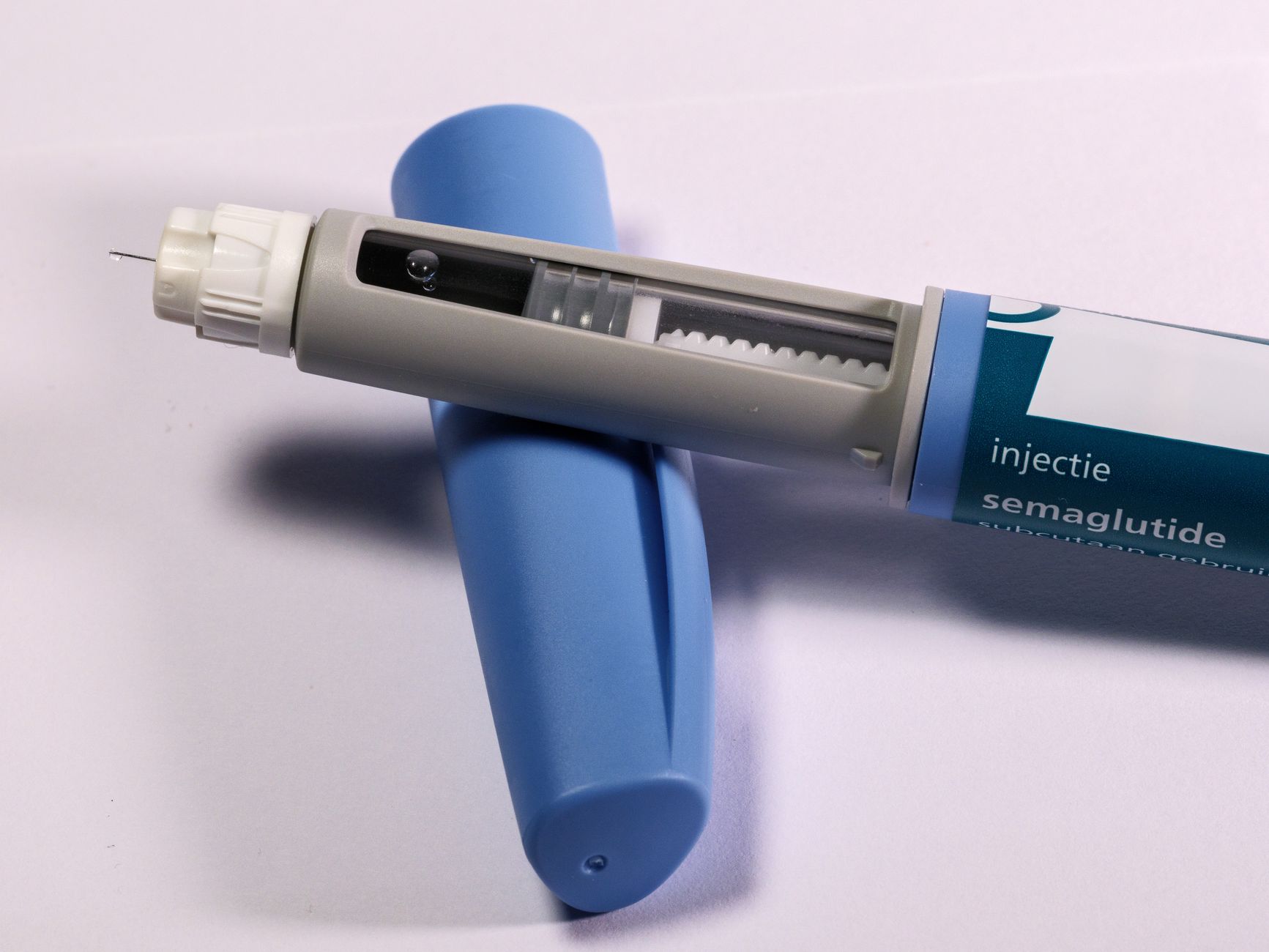
GLP-1 drugs vision loss has become a pressing topic in recent discussions. As medications like Ozempic gain popularity, understanding their potential risks is crucial for users.
What are GLP-1 Drugs?
GLP-1 drugs, or glucagon-like peptide-1 receptor agonists, are a class of medications primarily used to treat type 2 diabetes and obesity. These drugs work by mimicking the effects of the GLP-1 hormone, which helps regulate blood sugar levels and appetite. Commonly prescribed GLP-1 medications include Ozempic, Victoza, and Trulicity. They have gained popularity due to their effectiveness in promoting weight loss and improving glycemic control.
However, there are growing concerns regarding potential side effects, including vision loss. While some studies suggest a link between GLP-1 drugs and adverse ocular outcomes, the exact mechanisms remain unclear. It is crucial for patients to discuss the risks and benefits of these medications with their healthcare providers to make informed decisions regarding their treatment options.
How Do GLP-1 Drugs Work?
GLP-1 drugs, such as Ozempic and Wegovy, are primarily used to treat type 2 diabetes and obesity by mimicking the action of the glucagon-like peptide-1 hormone. This hormone plays a critical role in regulating blood sugar levels, appetite, and insulin secretion.
When administered, these drugs enhance insulin production in response to meals and decrease glucagon secretion, which helps lower blood sugar levels. They also promote a feeling of fullness, leading to reduced calorie intake.
However, emerging concerns about the potential for GLP-1 drugs vision loss have prompted further investigation. Some studies suggest that while these medications are effective for weight management and glucose control, they may pose risks to eye health in certain populations. Monitoring and further research are essential to clarify these risks.
Potential Side Effects of Ozempic
Ozempic, a popular GLP-1 drug, has been associated with several potential side effects that users should be aware of. While many patients benefit from its weight loss and diabetes management properties, there have been emerging concerns regarding vision loss. Research indicates that some individuals using GLP-1 drugs may experience changes in their eyesight, leading to complications such as blurred vision or diabetic retinopathy.
It is crucial for patients to monitor their vision and report any significant changes to their healthcare providers. The following are potential side effects of Ozempic:
- Nausea
- Vomiting
- Diarrhea
- Constipation
- Vision changes
Being aware of these risks can help users make informed decisions about their treatment options.
Is Vision Loss a Common Risk?
The concern over GLP-1 drugs and their potential link to vision loss has gained attention, but is this risk common? According to recent studies and expert opinions, the incidence of vision loss among users of GLP-1 drugs like Ozempic appears to be rare. Most patients tolerate these medications well and experience minimal side effects.
However, it’s crucial to remain vigilant. Some individuals may experience visual disturbances due to factors unrelated to the medication. Here are some key points regarding the risk of vision loss:
- Vision loss is not a widely reported side effect.
- Regular eye examinations are advisable for those on GLP-1 drugs.
- Patients should report any changes in vision to their healthcare provider promptly.
Expert Opinions on the Matter
Experts are increasingly examining the potential link between GLP-1 drugs and vision loss. Dr. Sarah Whitmore, an ophthalmologist, emphasizes that while some patients report changes in vision, it is essential to consider individual health factors. “The risk of vision loss associated with GLP-1 drugs is still under investigation,” she notes, urging patients to monitor their eye health closely.
Furthermore, Dr. James Liu, a diabetes specialist, explains that the benefits of GLP-1 drugs in managing blood sugar often outweigh the risks. “Patients should not avoid necessary treatments due to fear of vision loss without discussing their concerns with a healthcare provider,” he advises.
Overall, while the conversation surrounding GLP-1 drugs and vision loss is ongoing, experts advocate for a balanced approach to treatment and regular eye examinations.
What Patients Should Know
As patients consider the use of GLP-1 drugs, it is crucial to be informed about the potential risks, including the possibility of vision loss. Experts suggest that while the connection between these medications and vision issues is still being studied, patients should remain vigilant.
Here are some important points to consider:
- Monitor Symptoms: Be aware of any changes in your vision.
- Consult Healthcare Providers: Regular check-ups can help detect issues early.
- Report Side Effects: Inform your doctor about any unusual symptoms you experience.
- Stay Informed: Keep up-to-date with ongoing research regarding GLP-1 drugs and vision loss.
Understanding these factors is essential for patients considering GLP-1 therapies to manage their health effectively.
Recent studies have raised concerns about the potential for GLP-1 drugs vision loss, prompting further investigation into their long-term effects on eye health. Understanding the mechanisms behind GLP-1 drugs vision loss is crucial for patients considering these medications.
Photo by Haberdoedas Photography on Pexels