
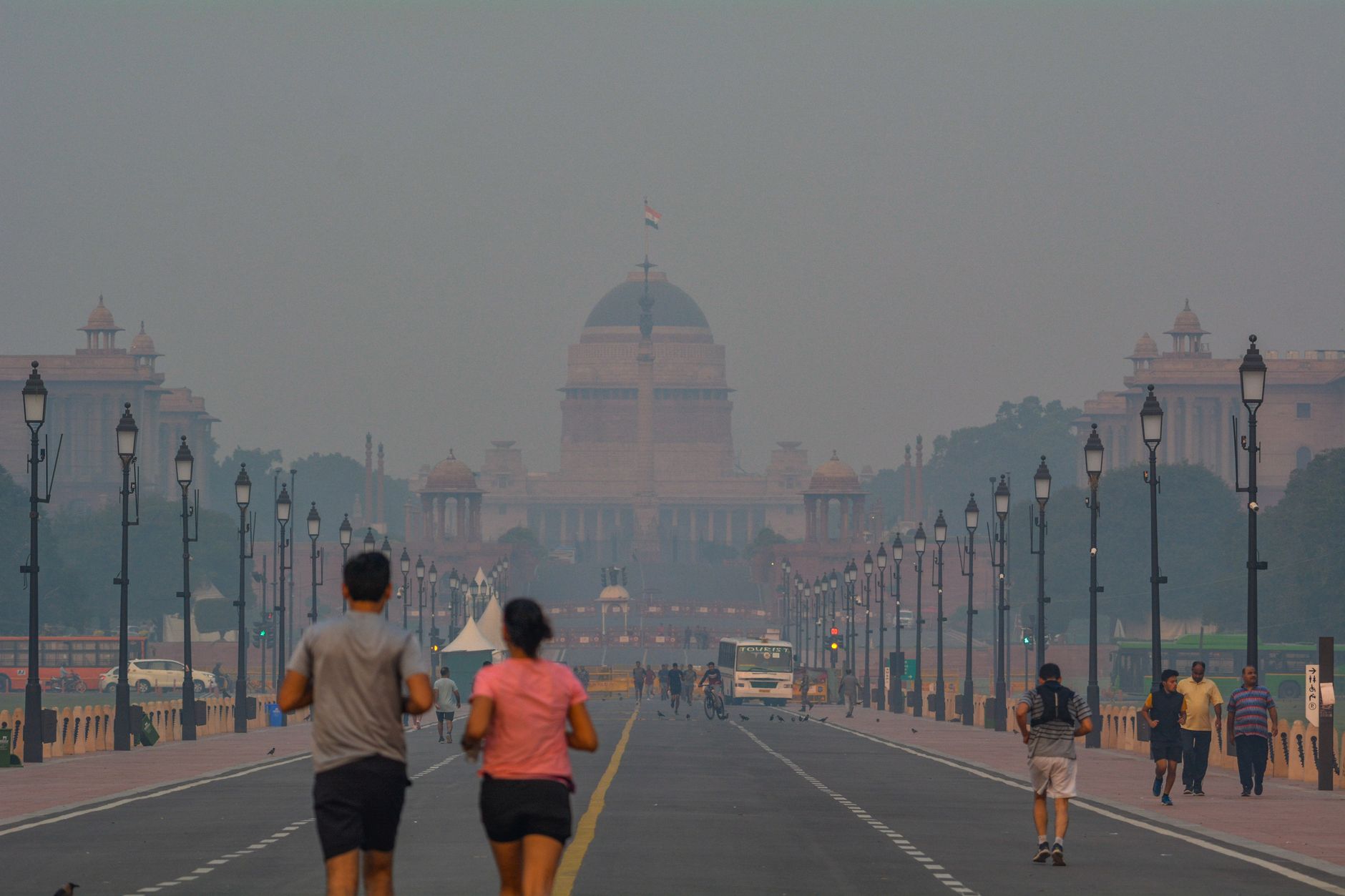
Delhi air quality has become a major concern as the AQI hits 494, marking hazardous conditions across the city. With 16 stations recording severe pollution, urgent action is needed.
Current AQI Levels in Delhi
The air quality in Delhi has recently reached alarming levels, with the Air Quality Index (AQI) soaring to a staggering 494. This marks a critical point in the city’s ongoing struggle with pollution, leading authorities to label the air quality as ‘hazardous’.
According to reports, sixteen monitoring stations across the city have recorded severe pollution levels, prompting urgent measures. In response to the deteriorating conditions, 50% of the workforce has been advised to stay home to mitigate health risks associated with such poor air quality.
The current AQI levels indicate a drastic decline in air quality, raising concerns among residents and environmentalists alike. The implications of this crisis are far-reaching, affecting not just everyday life but also public health.
Key factors contributing to the current state of Delhi’s air quality include:
- Increased vehicular emissions
- Industrial pollution
- Construction dust
- Seasonal agricultural burning in neighboring states
As the city grapples with these challenges, experts are urging for immediate action to combat the pollution crisis and improve the overall air quality in Delhi.
Impact of Pollution on Health
The deteriorating Delhi air quality has raised significant health concerns among residents and health officials alike. As pollution levels soar, the potential health impacts are becoming increasingly alarming.
Long-term exposure to air pollution is linked to a variety of serious health issues, including:
- Respiratory diseases: People with pre-existing conditions like asthma or chronic obstructive pulmonary disease (COPD) are particularly vulnerable to exacerbations and complications.
- Cardiovascular problems: Studies indicate that poor air quality can lead to heart attacks and strokes, posing a severe risk to those with heart conditions.
- Developmental issues: Children exposed to high pollution levels may experience developmental delays and reduced lung function.
- Cancer: Long-term exposure to air pollutants has been linked to an increased risk of lung cancer and other malignancies.
Health experts recommend that individuals limit outdoor activities, especially during periods of high pollution. The government has also advised vulnerable populations, including the elderly and children, to remain indoors as much as possible to minimize health risks associated with the hazardous air quality in Delhi.
Government Response to Air Quality Crisis
The alarming levels of pollution in Delhi have prompted urgent action from the government as the air quality continues to deteriorate. With the Air Quality Index (AQI) reaching hazardous levels, the authorities are taking significant measures to combat this crisis.
In response to the deteriorating situation, the government has initiated a series of emergency measures aimed at reducing pollution levels. Key actions include:
- Implementation of Graded Response Action Plan (GRAP): This plan outlines specific actions to be taken based on the severity of the air quality. It includes restrictions on construction activities and a ban on the entry of trucks into the city.
- Promotion of Public Transport: The government is encouraging the use of public transport to decrease the number of vehicles on the road, thereby reducing emissions.
- Awareness Campaigns: Initiatives are being launched to educate residents about the importance of reducing pollution and the steps they can take to improve air quality.
- Collaboration with neighboring states: The Delhi government is working with surrounding states to address common sources of pollution, such as stubble burning.
Despite these efforts, experts warn that the ongoing air quality crisis in Delhi remains a significant challenge, highlighting the need for sustained action and long-term solutions.
Comparing Delhi’s Air Quality with Other Cities
As concerns over Delhi air quality intensify, comparisons with other global cities reveal alarming trends. Recent reports highlight that Delhi’s air quality index (AQI) has reached unprecedented levels, surpassing many major cities known for pollution issues.
In a recent analysis, the following cities were compared:
- Beijing: Known for its severe air pollution, Beijing’s AQI often exceeds 300, particularly during winter. However, recent initiatives have led to improvements, with AQI levels typically lower than those recorded in Delhi.
- New Delhi: The AQI has hit hazardous levels, reaching as high as 494, which poses a serious health risk to residents.
- Los Angeles: While LA struggles with smog, its average AQI rarely goes above 150, demonstrating a significant difference when compared to Delhi.
- Mumbai: Similar to Delhi, Mumbai experiences heavy pollution, but its AQI levels tend to stabilize below 300 during most months.
This alarming comparison underscores the urgent need for effective measures to address Delhi air quality and prioritize the health and safety of its citizens.
Long-term Solutions for Cleaner Air
Addressing the alarming levels of pollution in the capital, experts emphasize the need for long-term solutions to improve Delhi air quality. While immediate measures such as emergency alerts and temporary bans on construction work provide some relief, they are not sustainable in the long run.
To tackle this crisis effectively, a multi-faceted approach is essential. Key strategies include:
- Enhanced Public Transport: Investing in reliable and efficient public transportation systems can reduce the number of vehicles on the road, thus lowering emissions.
- Green Spaces: Expanding parks and green areas within the city can help absorb pollutants and improve air quality while providing residents with much-needed recreational spaces.
- Strict Emission Regulations: Implementing and enforcing stringent regulations on industrial emissions and vehicular pollution can significantly cut down harmful pollutants released into the atmosphere.
- Community Awareness: Educating citizens about the impact of pollution and encouraging eco-friendly practices can foster a collective effort towards cleaner air.
By focusing on these long-term solutions, Delhi can work towards mitigating the severe air quality issues it faces, ensuring a healthier environment for future generations.
The alarming levels of smog in recent weeks have raised concerns about Delhi air quality. Experts warn that this could be one of the worst pollution crises yet, with significant health implications for residents.
Photo by Saakshi Yadav on Pexels