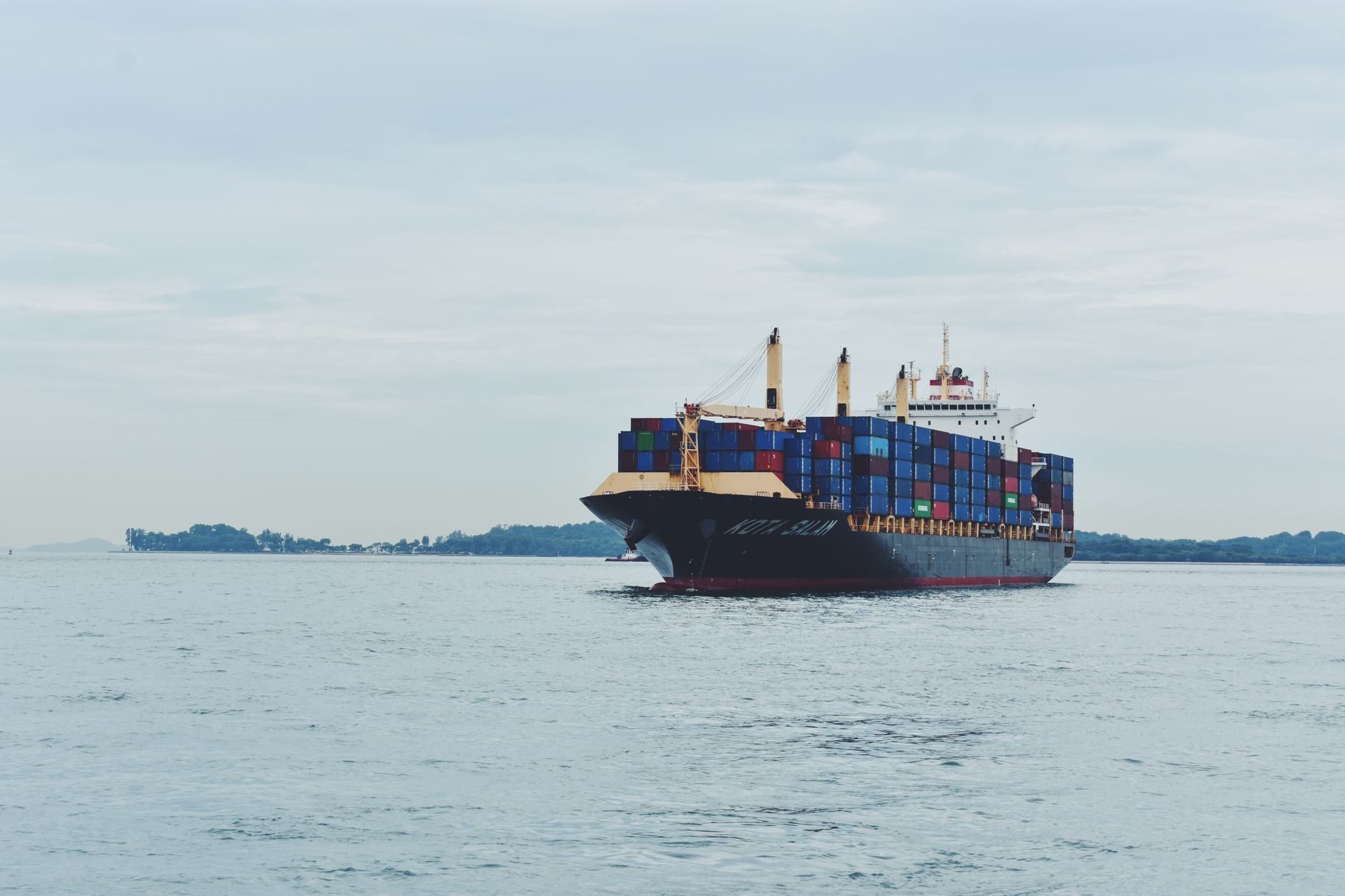
Mediterranean container rates have surged 27% since October, creating new challenges and opportunities for logistics companies. Understanding this shift is crucial for businesses aiming to optimize their shipping strategies.
What caused the rise in Mediterranean container rates?
In recent months, Mediterranean container rates have experienced a significant surge, climbing 27% since October. Several factors have contributed to this rise, impacting both shipping companies and consumers alike.
- Supply Chain Disruptions: Ongoing challenges in global supply chains have created bottlenecks, making it difficult for shipping lines to maintain regular schedules. These disruptions have led to increased demand for available containers.
- Increased Demand: The post-pandemic recovery has fueled a surge in consumer spending, particularly in Europe, resulting in higher demand for imported goods. This increase has placed additional pressure on container shipping capacity.
- Fuel Prices: Rising fuel prices have also played a significant role in escalating shipping costs. Carriers have had to adjust their rates to cover these increased expenses, further driving up Mediterranean container rates.
- Geopolitical Tensions: Ongoing geopolitical issues have created uncertainties in trade routes, leading to additional costs for shipping companies that need to reroute their services.
These combined factors highlight the complexity of the current shipping landscape and the challenges facing the Mediterranean region.
Impact of increased rates on logistics companies
The recent surge in Mediterranean container rates has had a significant impact on logistics companies, forcing them to adapt quickly to changing market conditions. Companies are now facing increased operational costs, which can affect their profitability and pricing strategies.
As a result, many logistics firms are considering a variety of approaches to mitigate the challenges presented by these heightened rates. Some of these strategies include:
- Negotiating long-term contracts: By securing fixed rates with shipping partners, companies can shield themselves from future fluctuations.
- Optimizing supply chains: Companies are looking for ways to streamline operations, reduce waste, and improve efficiency, which can help offset rising costs.
- Diversifying shipping routes: Exploring alternative routes and ports may offer lower rates or reduced congestion, making logistics more manageable.
- Investing in technology: Implementing advanced tracking and management systems can provide better visibility and control over shipping processes.
Ultimately, the best proven strategy will depend on each company’s specific circumstances, but flexibility and adaptability remain essential as Mediterranean container rates continue to climb.
How to adapt to changing shipping costs
As Mediterranean container rates continue to climb, businesses must adopt strategies to adapt to the fluctuating shipping costs. Here are several approaches that can help companies navigate these challenges:
- Optimize Supply Chain Management: Reviewing and streamlining supply chain processes can lead to cost savings. This may involve consolidating shipments or seeking alternative routes.
- Negotiate Contracts: Engaging in proactive negotiations with shipping partners can secure more favorable terms. Long-term agreements may provide stability in pricing amid rising Mediterranean container rates.
- Diversify Shipping Methods: Utilizing a mix of shipping options, including air freight for time-sensitive goods, can help balance costs and efficiency.
- Implement Technology Solutions: Employing logistics software and tracking systems allows for better visibility and management of shipping processes, thus reducing unexpected expenses.
- Monitor Market Trends: Staying informed about market fluctuations and geopolitical developments can help businesses anticipate changes in shipping costs and adjust their strategies accordingly.
By proactively addressing the impact of increasing Mediterranean container rates, companies can maintain their competitiveness and ensure smoother operations.
Future trends in container shipping rates
As the logistics industry evolves, understanding future trends in Mediterranean container rates becomes essential for stakeholders. Experts suggest that several factors will influence these rates in the coming years.
- Global Economic Recovery: As economies rebound post-pandemic, demand for container shipping is likely to increase, further impacting Mediterranean container rates.
- Environmental Regulations: Stricter regulations aimed at reducing carbon emissions may lead to higher operational costs, which could be passed on to consumers through increased shipping rates.
- Technological Advancements: Innovations in shipping technology and logistics management may help mitigate costs, potentially stabilizing rates over time.
- Geopolitical Factors: Ongoing geopolitical tensions can disrupt supply chains, affecting shipping routes and container availability, ultimately influencing rates.
- Market Competition: Increased competition among shipping companies may lead to price adjustments, either increasing or decreasing Mediterranean container rates depending on market dynamics.
In summary, while the future remains uncertain, staying informed about these trends is crucial for companies looking to navigate the complexities of container shipping effectively.
By USDAgov via Openverse