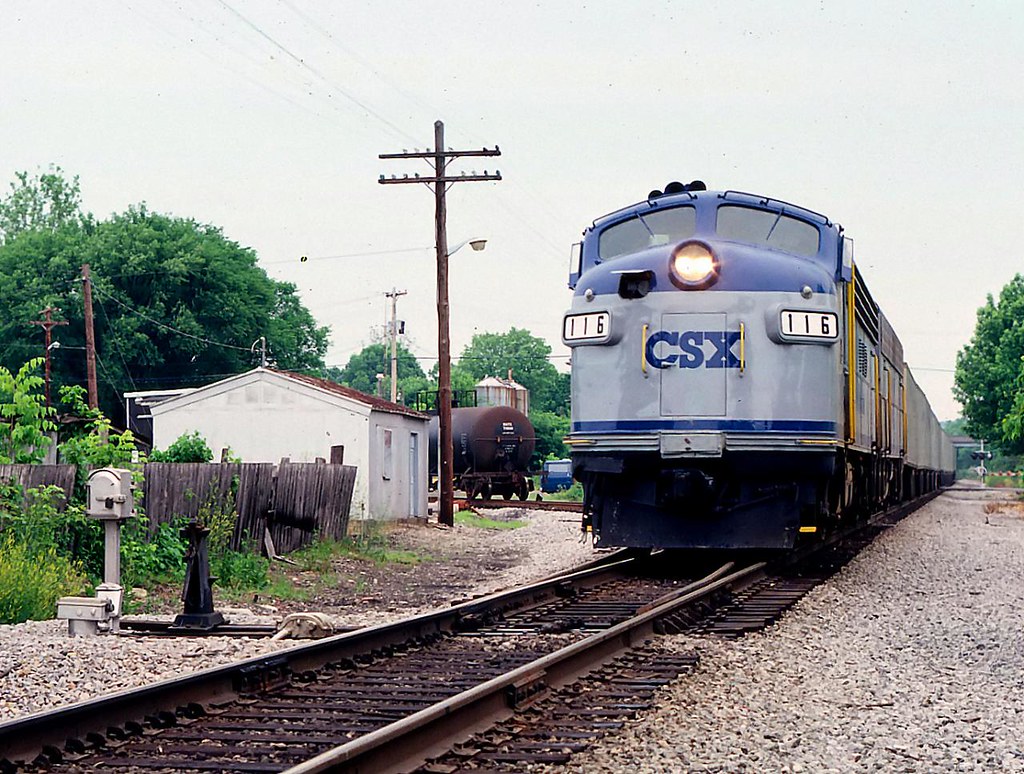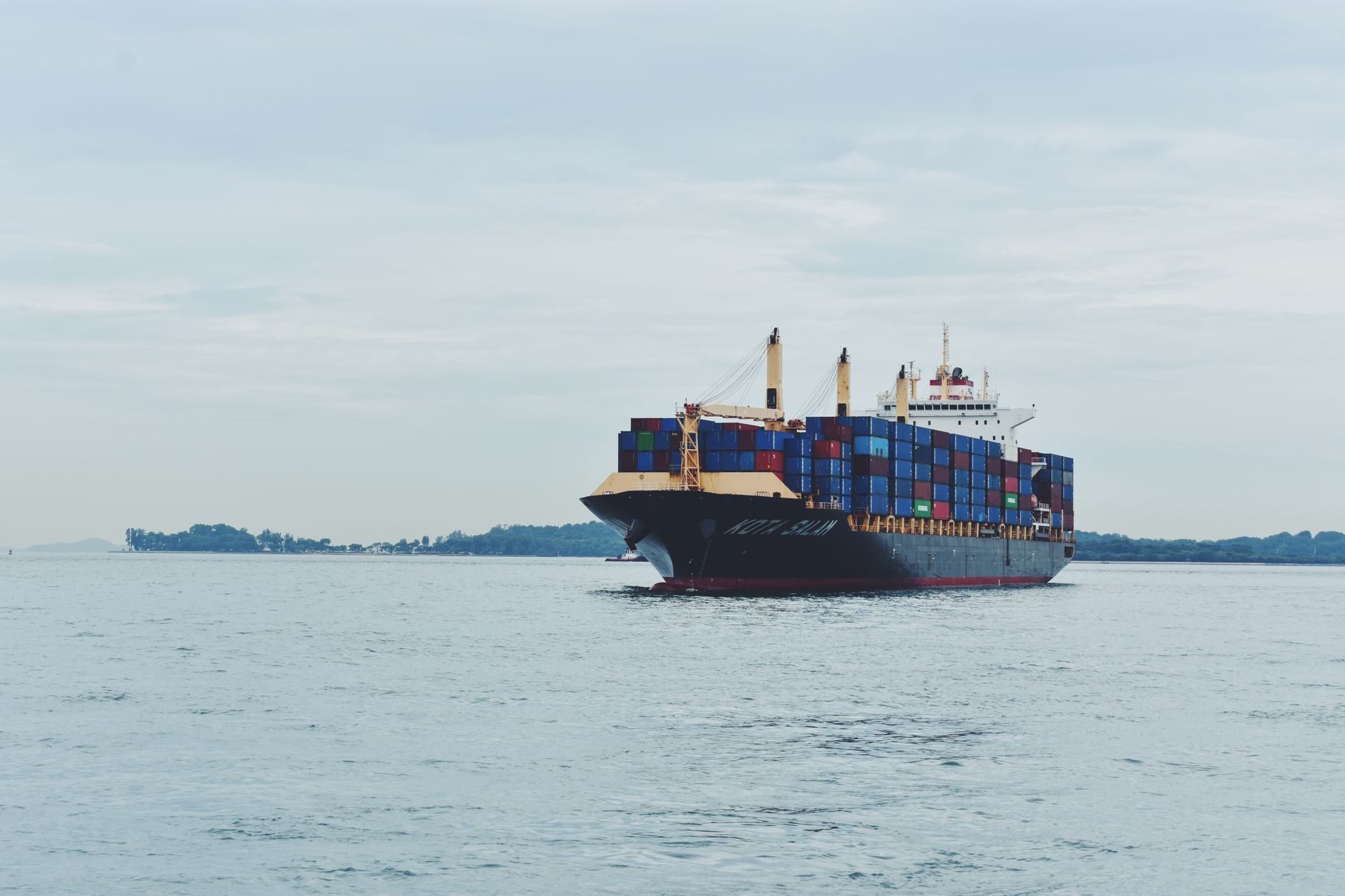
Freight rates rise as trucking capacity shrinks, despite sluggish demand. This trend raises questions about the future of logistics and how businesses can adapt.
Understanding Freight Rates
Freight rates are a critical component of the logistics industry, influencing the cost of transporting goods across various modes of transportation. Understanding how these rates are determined can provide insights into the broader economic landscape. Recently, freight rates rise has been a prominent topic, particularly as trucking capacity continues to shrink despite an overall sluggish demand for goods.
Several factors contribute to the fluctuations in freight rates, including:
- Supply and Demand: A decrease in available trucking capacity, whether due to regulatory changes or driver shortages, can lead to increased rates even if demand remains low.
- Fuel Prices: Rising fuel costs directly impact transportation expenses, prompting carriers to adjust their rates accordingly.
- Seasonal Trends: Certain times of the year, such as holidays, often see spikes in demand, which can drive up rates temporarily.
- Market Competition: The level of competition among carriers also plays a significant role; fewer carriers can lead to higher rates.
As companies grapple with the implications of rising freight rates, they must adapt their logistics strategies to manage costs effectively while ensuring timely deliveries. Understanding these dynamics is essential for businesses to navigate the ongoing changes in the transportation sector.
Current Trends in Trucking
Recent data indicates that freight rates rise due to a combination of factors affecting the trucking industry. As trucking capacity shrinks, companies are facing higher costs for transporting goods, which has a direct impact on supply chains.
Among the current trends in trucking, several key elements have emerged:
- Driver Shortage: The industry is grappling with a significant shortage of qualified drivers, which has been exacerbated by the pandemic. This shortage limits the availability of trucks on the road.
- Increased Operational Costs: Rising fuel prices and maintenance expenses are forcing carriers to adjust their pricing strategies, contributing to the upward pressure on freight rates.
- Regulatory Changes: New regulations aimed at improving safety and reducing emissions may increase compliance costs for trucking companies, further impacting freight rates.
- Technological Advancements: While technology can enhance efficiency, the initial investment can be high. Companies are weighing the benefits of adopting new technologies against the current financial landscape.
As freight rates rise, logistics companies must adapt to these trends to remain competitive. The fluctuations in rates challenge businesses to rethink their strategies for managing transportation costs while ensuring timely delivery of goods.
Impact of Capacity Shrinkage
The recent rise in freight rates is significantly influenced by the shrinking capacity in the trucking industry. As companies face challenges in hiring and retaining drivers, the available capacity to transport goods diminishes, leading to increased costs for shippers.
Several factors contribute to this capacity shrinkage:
- Driver Shortage: Many trucking companies are struggling with a shortage of qualified drivers, exacerbated by the pandemic and changing workforce dynamics.
- Regulatory Changes: New regulations regarding hours of service and vehicle maintenance have added operational costs, prompting some carriers to reduce their fleets.
- Increased Operating Costs: Rising fuel prices and maintenance expenses further strain trucking companies, forcing them to increase freight rates to maintain profitability.
As a result, shippers are facing higher expenses, which can eventually impact consumer prices. Although demand may be sluggish, the imbalance between supply and demand continues to drive freight rates rise. This economic phenomenon has broader implications for the logistics sector, as companies must adapt to these new cost structures.
Ultimately, understanding the impact of capacity shrinkage on freight rates is essential for businesses aiming to navigate the complexities of logistics in today’s volatile market environment.
Strategies for Adapting to Changes
As freight rates rise, logistics companies must adapt to the shifting landscape to maintain efficiency and profitability. Here are several strategies that can help organizations navigate these changes:
- Optimizing Routes: Efficient route planning can significantly reduce costs. By utilizing advanced logistics software, companies can identify the most effective paths and avoid delays.
- Embracing Technology: Implementing technologies such as real-time tracking and data analytics can enhance visibility and help manage freight more effectively. This can lead to better decision-making and improved service.
- Diversifying Carrier Options: Relying on a single carrier can be risky. By diversifying carriers, companies can negotiate better rates and ensure more reliable service, even when freight rates rise.
- Enhancing Communication: Maintaining open lines of communication with suppliers, carriers, and customers is crucial. Clear communication helps in anticipating challenges and responding proactively.
- Investing in Employee Training: Training staff on the latest industry practices and technologies can improve operational efficiency and adaptability in a volatile market.
By implementing these strategies, logistics companies can better position themselves to handle the pressures of rising freight rates and ensure sustained success in an evolving environment.
Future of Freight Logistics
The future of freight logistics appears uncertain as freight rates rise amidst a backdrop of shrinking trucking capacity and stagnant demand. Industry experts suggest that this trend could significantly reshape the logistics landscape.
One major concern is the potential for increased operational costs, which could lead companies to adjust their pricing structures. As freight rates continue to escalate, businesses may need to explore alternative shipping methods or routes to remain competitive. This could lead to:
- Increased reliance on technology: Logistics companies might invest in advanced tracking systems and route optimization software to enhance efficiency and reduce costs.
- Greater collaboration: Firms may seek partnerships with carriers and other logistics providers to share resources and mitigate rising expenses.
- Shift towards sustainability: The pressure on companies to cut costs may also prompt a move towards more eco-friendly practices, as consumers increasingly favor green logistics.
Moreover, the rise in freight rates could push businesses to reconsider their supply chain strategies. Companies may look to diversify their supplier base or invest in local production to minimize shipping expenses. As the logistics sector adapts to these challenges, it will be crucial for stakeholders to remain vigilant and responsive to ongoing changes in the market.
Expert Opinions on the Market
As freight rates rise, industry experts are closely analyzing the implications for logistics and supply chain management. According to Dr. Emily Carter, a logistics analyst at the National Freight Association, “The recent increase in freight rates is primarily driven by a reduction in trucking capacity. This situation creates a ripple effect throughout the supply chain, influencing everything from shipping times to overall costs.”
Moreover, John Miller, a senior economist at Freight Insights, emphasizes the importance of understanding market dynamics. He states, “While demand has been sluggish, the limited availability of trucks means that shippers are facing higher rates to secure transportation. It’s essential for companies to adapt their logistics strategies to mitigate these rising costs.”
In addition to these insights, Sarah Thompson, a supply chain consultant, suggests that businesses should focus on building strong relationships with carriers. “Collaboration can lead to better rates and more reliable service, even as freight rates rise. Companies that invest in these partnerships may find themselves in a more advantageous position during tough market conditions,” she notes.
Overall, the consensus among experts is clear: adapting to the realities of rising freight rates requires innovative thinking and proactive strategies to ensure efficient logistics operations.
As freight rates rise, logistics companies are forced to reevaluate their pricing strategies to maintain profitability. The implications of how freight rates rise can significantly affect supply chain dynamics and overall market competitiveness.
By Binghalib0 via Openverse
Sources
Related stories
Sancode Technologies trading window: Key insights before Q2FY27 · Prestige Estates share price: 10% jump after record pre-sales · Carnival shares surge: Strong quarterly earnings boost stock